Brand Is About Feelings and Emotions
Why on-brand AI creative comes from structured brand context, not longer prompts, with concrete examples of prompt enhancement for performance teams.
Evgenii Nelepko
Head of Growth
Published June 12, 2026 • Updated June 12, 2026

title: 'Brand Is About Feelings and Emotions' slug: 'brand-is-about-feelings-and-emotions' seoTitle: 'Brand Is About Feelings and Emotions | Watchable AI' description: 'Why on-brand AI creative comes from structured brand context, not longer prompts, with concrete examples of prompt enhancement for performance teams.' excerpt: 'A practical argument for brand memory before generation, showing how Watchable turns brand context, user intent, and channel logic into short prompts that stay on-brand.' publishedAt: '2026-06-12' updatedAt: '2026-06-12' author: 'Evgenii Nelepko' authorRole: 'Head of Growth' category: 'Brand Memory' readTime: '8 min read' tags:
- brand memory
- AI creative
- prompting
- paid social
- brand consistency
- creative workflow coverImage: '/blog/brand-is-about-feelings-and-emotions/cover.webp' coverAlt: 'Watchable article cover showing brand context as the foundation for AI creative generation.'
Brand Is About Feelings and Emotions
AI image and video models are getting very good. They can generate product shots, lifestyle scenes, UGC-style videos, macro beauty visuals, studio still life, and almost any other format a performance team wants to test.
But there's still one problem: most AI creatives aren't really on-brand.
They look impressive at first glance, but something is off. The color palette, the lighting, the type of model, the product angle, the tone, or the composition. For performance brands, that matters. A creative does not just need to look good. It needs to feel like the brand, respect the product, fit the channel, and be specific enough to test a real hypothesis.
At Watchable, we build around one belief: good AI creative doesn't come from longer prompts. It comes from better context.
The user shouldn't have to write a 900-word prompt every time. A founder shouldn't have to memorize the visual rules. A growth lead shouldn't re-explain the same product constraints. A brand manager shouldn't translate a brand book into prompt language by hand. That context should live in the system.
The problem with just prompting
Most AI workflows start from a blank text box. The user types something like:
Create a premium lifestyle ad for this product. Make it feel modern, clean, and on-brand.
The model guesses. Sometimes it works. Often it doesn't.
The issue isn't that the model can't generate. It's that it doesn't understand the brand well enough. "Premium" means one thing for luxury skincare, another for a functional beverage, and something else again for a robotaxi company. "Playful" can be bright and chaotic or dry and restrained. "UGC-style" can be a casual iPhone selfie, deadpan TikTok, a creator testimonial, or native paid social.
Without brand memory, every prompt gets overloaded. The user restates the brand again and again. That's not how creative teams work. They work from context: guidelines, reference campaigns, product truths, visual rules, past learnings, category codes, and channel expectations.
That is how Watchable works too.
Brand memory before generation
Before generating anything, Watchable structures the brand context. We take brand books, guidelines, product assets, reference creatives, campaign examples, landing pages, and user notes, and turn them into a reusable brand memory layer.
That memory usually covers product truths and category language, the visual world and photography rules, color and type constraints, composition patterns, campaign tone, logo and product handling, channel-specific patterns, and clear examples of what is on-brand and what to avoid.
The goal isn't documentation for its own sake. It's to make the system smarter before the user asks for anything. Once the memory exists, the input can be short:
Make a premium launch creative in Las Vegas. Calm, futuristic, not too sci-fi.
And Watchable turns that into a concrete prompt that already knows the visual world, the tone, the product treatment, and the constraints.
Example: turning public brand context into structured memory
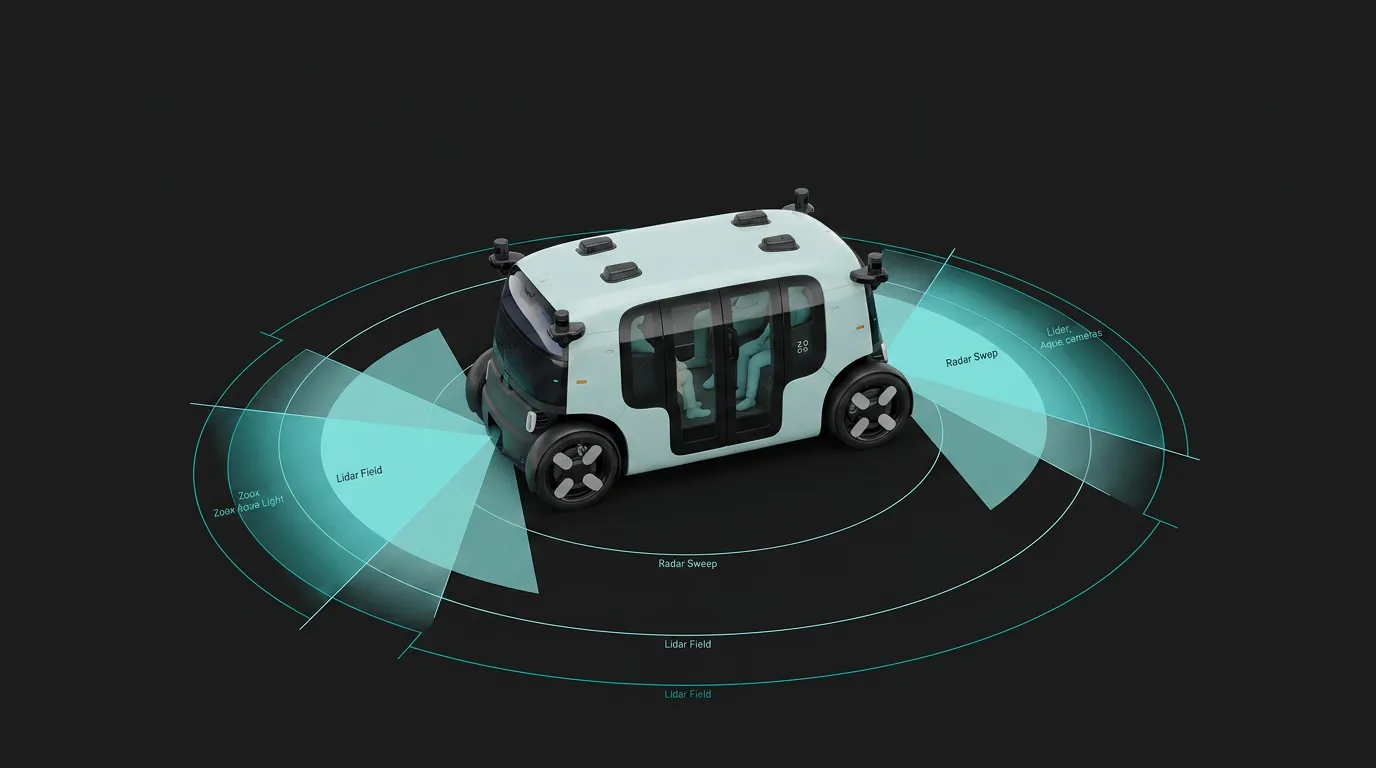
Here's a simplified example using Zoox. This isn't an official Zoox brand book. It's a reconstructed working profile from public materials, used only to show how brand context can be structured.
Good brand memory doesn't store every detail. It captures the rules that matter for output.
Brand world. Zoox isn't a traditional car company. The world should feel calm, optimistic, human-centered, and futuristic, but not cold sci-fi. It's a robotaxi designed around riders, not drivers. Approachable, premium, and safe. The future arrives smoothly, not loudly.
Visual system. Clean, minimal, tech-forward. Near-black surfaces, teal accents, generous negative space, soft lighting, and clean geometric type. The symmetrical silhouette is a key asset and should be shown clearly, not buried in chaotic crops.
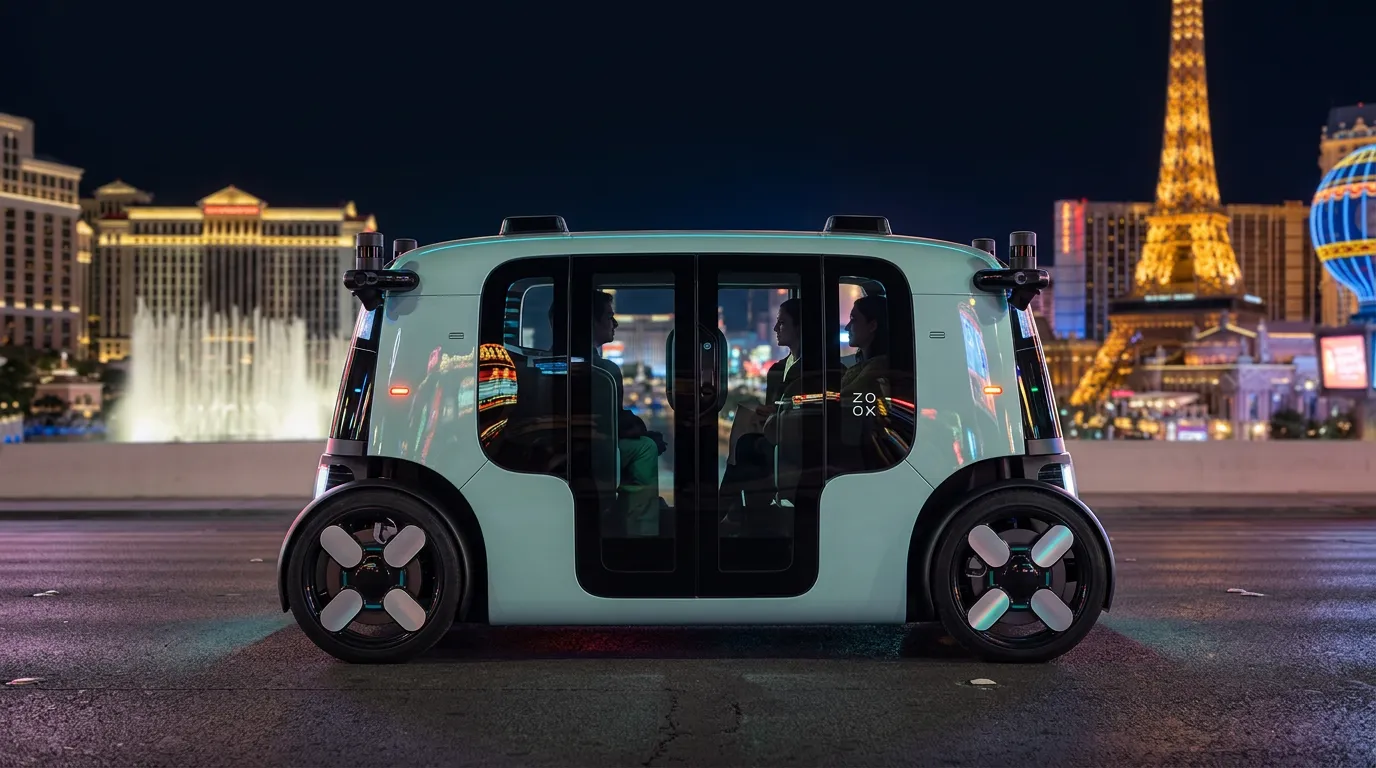
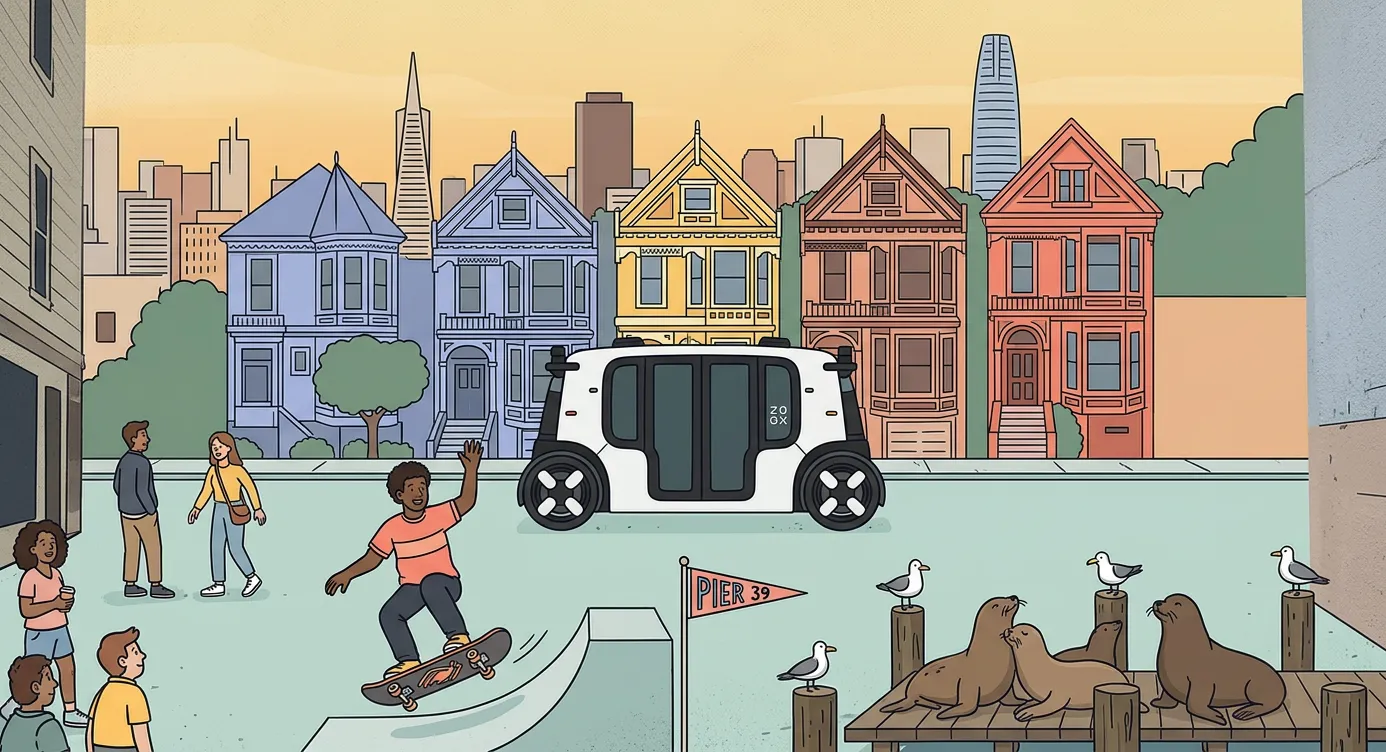
Photography direction. The vehicle should feel real and present in the city: arriving smoothly at a curb or hotel, the full symmetrical silhouette in a real urban setting, the lounge-like interior with riders facing each other, doors sliding open effortlessly, and launch markets like Las Vegas or San Francisco. The mood should feel human, relaxed, premium, and safe.
Campaign language. The strongest message is a category reframe: it's not a car, it's designed around riders. Emphasize no steering wheel, no driver, bi-directional movement, rider-first design, calm arrival, trust, and the city seen through glass. Tone: clear, warm, confident, and plain-spoken.
What to avoid. Dystopian robot tropes, aggressive speed cues, chrome-and-lens-flare car-commercial cliches, neon sci-fi overload, anxious passengers, chaotic streets, fake CGI, or anything that makes autonomy feel risky or cold.
That's the useful part. Not every HEX code or margin rule needs to reach the final prompt. Those live in memory. The prompt only uses what matters for the creative being asked for.
From brand memory to prompt
With the memory in place, the user only describes the output they want:
User intent:

Create a hero lifestyle ad for Zoox in Las Vegas. Make it premium, calm, and futuristic.
On its own, too vague. With brand memory, Watchable makes it production-ready:
Enhanced prompt:

16:9 cinematic lifestyle ad for Zoox. Full symmetrical Zoox robotaxi silhouette arriving smoothly at a Las Vegas hotel entrance during golden hour. Calm premium futurism, soft warm city light, deep near-black and teal visual accents, generous negative space, clean modern composition. Riders visible through the glass cabin, relaxed and confident, emphasizing a rider-first experience. No steering wheel visible. Avoid sci-fi neon overload, aggressive speed cues, chrome car-commercial clichés, or anxious expressions. Do not render text.
The prompt is still short. It carries the right visual direction, tone, product logic, and constraints. That's the point: the prompt shouldn't contain the whole brand book. The system should.
Prompt enhancement in Watchable
In Watchable, users can start from a short description, a reference image or video, a product asset, a previous ad, a campaign angle, or a channel requirement.
The system then combines three layers: brand memory for how the brand should look, feel, and sound, user intent for what they want right now, and channel logic for what works in the format, whether that is paid social, TikTok, Meta, PDP video, Amazon, or Shorts.
The output is a concise prompt: specific enough to generate, not overloaded. A few examples.
Example 1: Recess still life ad
User intent:

Create a colorful studio product ad for Recess.

Enhanced prompt:

16:9 studio still-life ad for Recess. Use the provided Recess can exactly as given. Two cans staged on bold geometric color-block plinths in coral, green, and pink against a draped purple fabric backdrop. Props include blood-orange slices, a poured sparkling drink in a glass with ice, and a citrus wedge. Saturated playful color-blocking, warm studio light, soft shadows, glossy fresh feel. Composition balanced with clean space for a lowercase headline on one side. Do not render text. Vibrant, premium, witty, on-brand Recess prop styling.
This prompt does not need to explain the entire Recess brand. It only needs to activate the relevant visual rules: playful color, studio freshness, witty premium composition, and product-first staging.
Example 2: ILIA macro beauty creative
User intent:

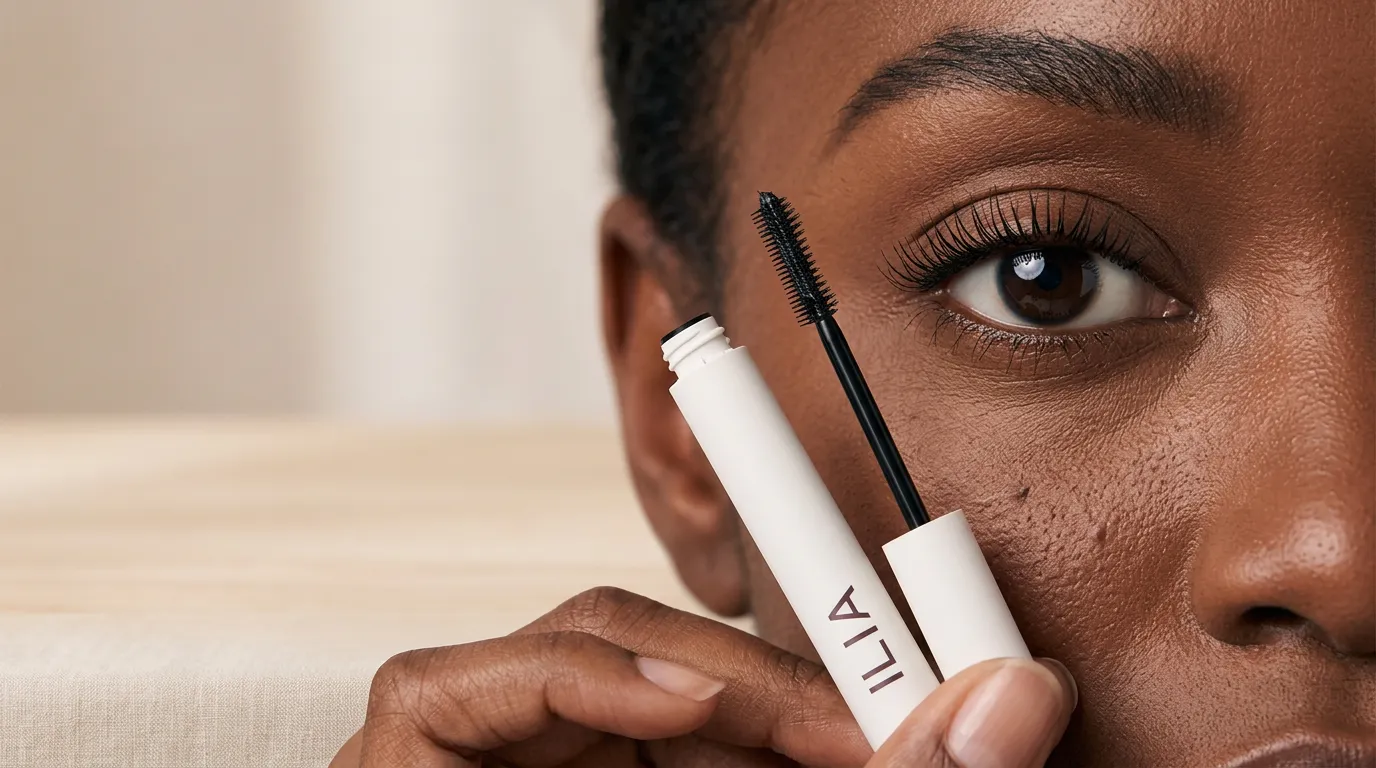
Make a close-up mascara beauty shot.

Enhanced prompt:

16:9 hyper-realistic macro photograph. Extreme but natural close-up of one eye of a woman in her late 20s, deep brown skin with real visible pore texture and one tiny natural imperfection preserved, no airbrushing. Lashes lifted, lengthened, cleanly separated, flake-free, soft black, natural, not spidery or clumped. Supplied ILIA Limitless Lash Mascara exactly as given, held just in frame at the lower edge. Soft warm diffused daylight, catchlight in the eye, warm-neutral background in bokeh. 100mm macro, f/4, tack-sharp on lashes. Editorial clean-beauty mood. Do not render text.
Here the important details are not random. They reflect the brand and category expectations: clean beauty, realism, skin texture, natural result, product accuracy, and editorial restraint.
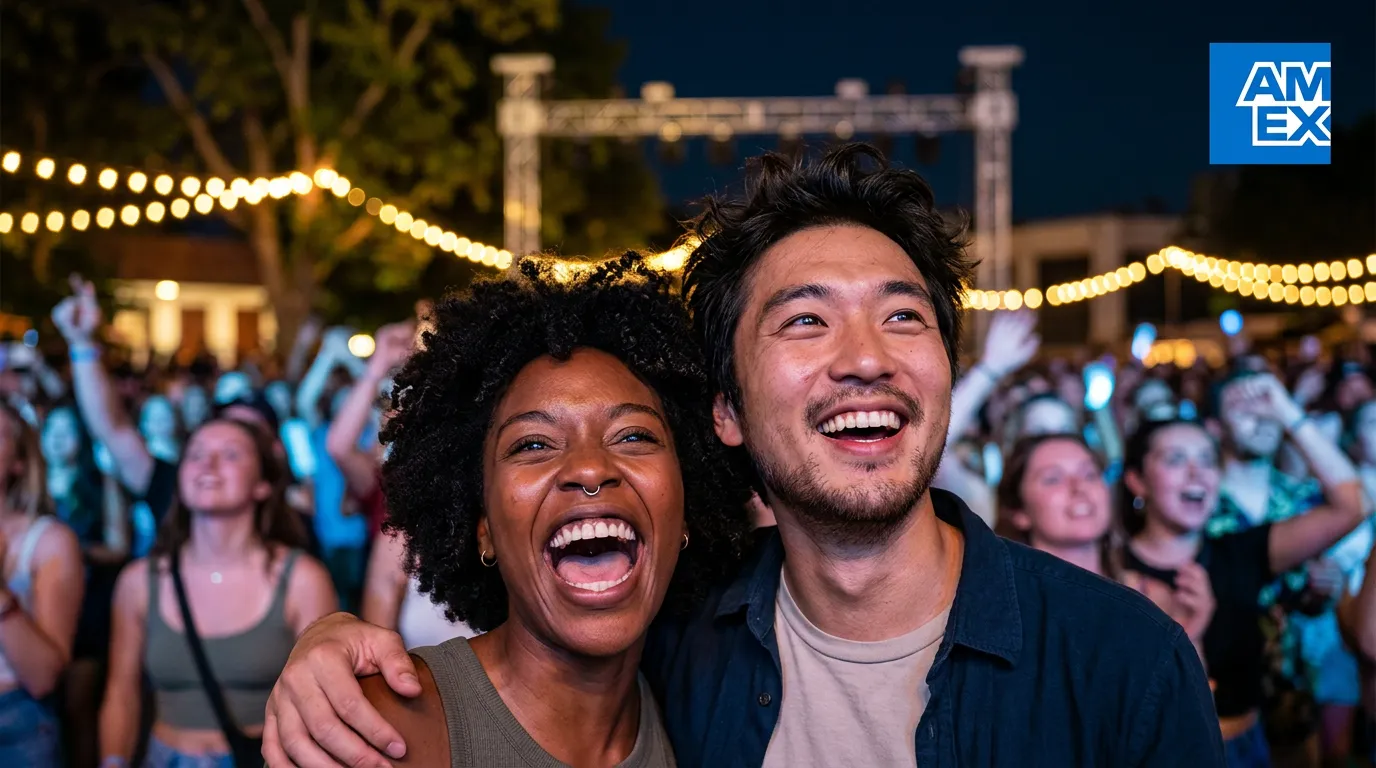
Example 3: Amex lifestyle moment
User intent:

Make a concert lifestyle creative for Amex.

Enhanced prompt:

Hyper-realistic concert photograph, 16:9. Two diverse friends in their late 20s at an open-air evening concert, mid-cheer, lit by warm stage glow and string lights, genuine joy. The people are the focal point, not the stage. No card in frame. Composite the attached Amex alternate logo unaltered into the top-right corner, small, around 7-9% of frame height, with clear space around it over a clean uncluttered area for full legibility. Exact color, proportion, and crop. No recolor, redraw, or distortion. Rich saturated color, soft crowd bokeh, uncluttered foreground. One head right-of-center with clear headspace for a composited frame. Pore-level skin detail, candid 50mm look, no filters.
Here the prompt is not just "make it premium." It controls brand safety, logo treatment, composition, human emotion, and the exact role of the card brand in the scene.
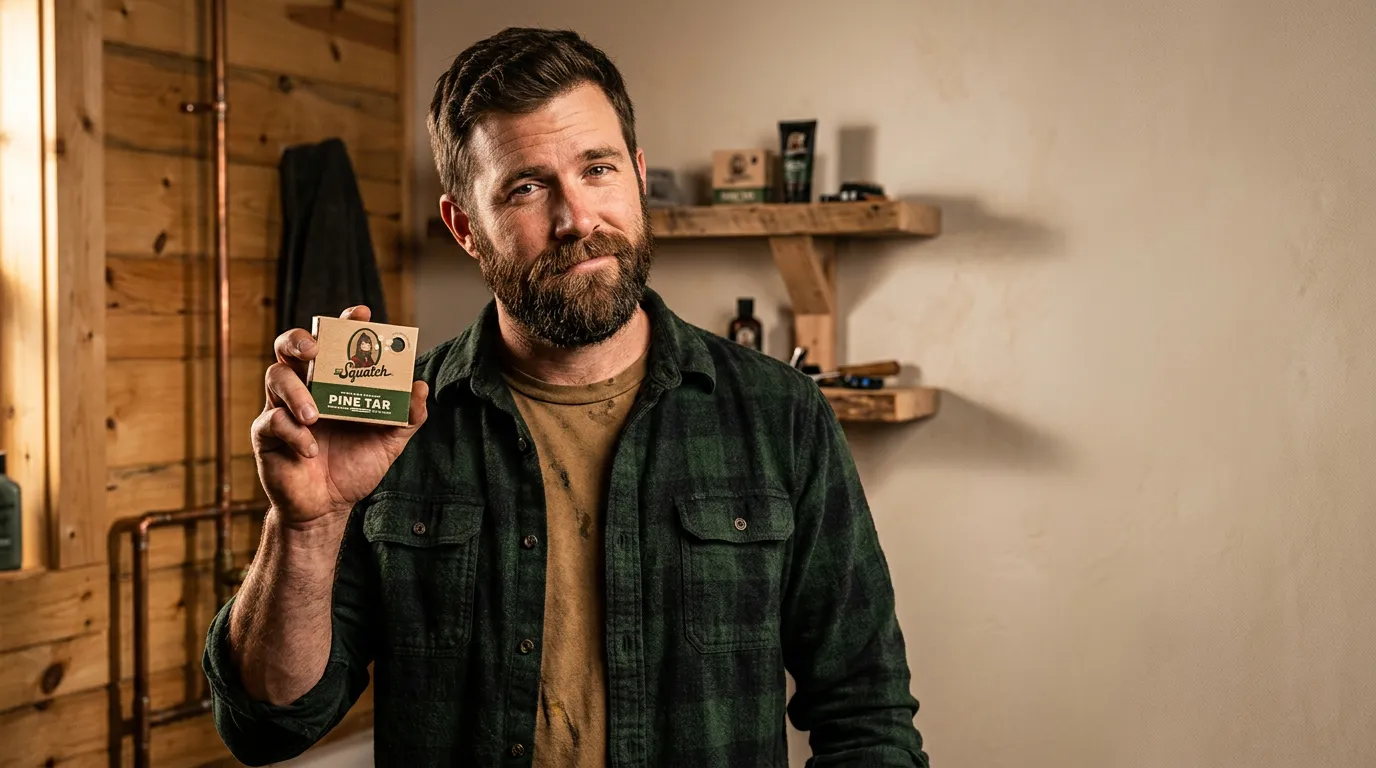
Example 4: Dr. Squatch native-social ad
User intent:

Create a funny masculine soap ad.

Enhanced prompt:

16:9 lifestyle ad for Dr. Squatch, deadpan masculine-parody native-social feel. Provided Dr. Squatch bar or bottle exactly as given, held in a confident guy's hand or resting on a raw wood bathroom shelf, candid comedic timing. Warm directional light, earthy saturated grade, rich shadows, real relatable guy with a slightly exaggerated confident expression, rugged cabin or workshop setting. Kraft and pine-green tones, generous negative space on one side for an uppercase headline. Do not render text. Funny, confident, "real soap for real men" energy, photoreal but characterful, never clinical or luxury-soft.
The prompt is short because the brand logic is already clear. It understands the difference between masculine parody and generic men's grooming. It avoids making the image too polished, too clinical, or too luxury-soft.
Why short prompts work better when the context is strong
A long prompt isn't a better prompt. Long prompts get noisy, with brand rules, intent, production notes, channel logic, exclusions, and random styling all jammed into one block. That makes the result harder to control.
A better flow: store the brand context once, read the user's intent, pull only the relevant rules, generate a short concrete prompt, and let the user approve or adjust before the final render.
That's how Watchable is built. The user stays in control of the direction without becoming a prompt engineer. The system carries the memory.
The bigger shift
AI creative tools are moving fast. Soon, generating an image or video won't be the hard part. The hard part will be knowing what to generate, keeping it on-brand, making it work for paid social, and turning one idea into many testable variants.
That's where context matters. A brand book shouldn't sit in a PDF nobody opens. Reference ads shouldn't live in a folder disconnected from production. Past learnings shouldn't vanish after every campaign. All of it should become active memory for the creative system.
That's what we're building with Watchable: brand context, user intent, and generation working together.
Not longer prompts. Better context. A shorter path from idea to testable creative.
Note
Example concepts are for demonstration only. Watchable is not affiliated with, endorsed by, or sponsored by the brands shown.